

Is Investing in an Under-Construction Project Risky? Understanding the Benefits and Key Factors to Consider
Aug 25, 2026
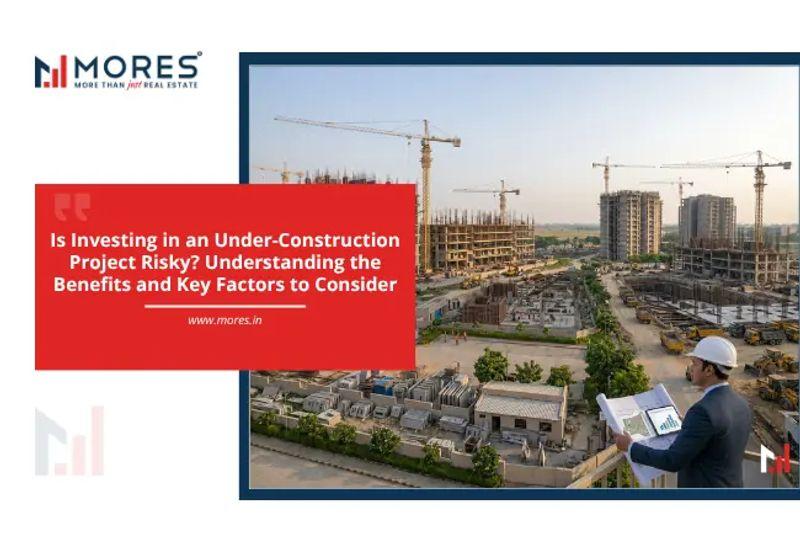
Yes, investing in an under-construction project can be risky, but the extent of the risk depends largely on the developer, project approvals, construction progress, the financial structure, and the terms of the sale contract. Some of the risks that can impact buyers include construction delays, specification changes, funding challenges, and unforeseen expenses, which can all be mitigated through RERA safeguards and diligent due diligence. Meanwhile, a property under construction can be advantageous in various ways, like wider home options that are wider, construction-associated settlement plans, and potential opportunities in developing areas. This blog details what it means, its advantages, the safety measures provided by RERA, and the important considerations buyers should make before making the decision to buy a property.
Why Do Buyers Consider Under-Construction Projects?
While some people don't want to buy a home that's still under construction, it can be appealing to those who know they don't need to move right away and are willing to accept the risk of buying a home that may need repairs or renovations once it's finished. There may be more options for early buyers, including floors, layouts, sizes, and orientations of units.
One other possible benefit is the payment system. The buyer can pay based on the construction progress for the project, or may pay at once for the entire project once finished. A convenient payment plan does not mean that there is no risk of buying a property, however.
Location is another factor that must be taken into account. Roads, public transport, commercial centres, educational institutions, and other infrastructure could be improved in projects in developing areas. However, buyers should accept all the infrastructure that is proposed but check it with a reliable source rather than just accepting the advertised figures.
What Are the Major Risks?
The biggest under-construction property buying risk is construction delay. Approval, financial, contractor, litigation, labour, supply difficulties, and other factors may cause projects to be delayed. The cost to the buyer may be higher when the buyer is making other payments such as rent and home-loan payments, if possession is postponed.
RERA provides certain remedies when a promoter fails to comply with the agreed possession obligations. If any allottee is not provided possession of the allotment as per the terms of the agreement of the Real Estate (Regulation and Development) Act, 2016, he or she is entitled to the rights provided under Section 18 of the Act. It is therefore important for Buyers to carefully review the wording of the possession date stated in their registered agreement.
Uncertainty about the final product is another under-construction property risk. It is advisable for the buyers to compare the sanctioned plans, specifications, carpet area, and the promised amenities with the agreement for sale and official project information.
Another major risk with financial exposure in property buying is the issue of mortgages. Buyers might have to pay for construction-related instalments, rent, interest on loans, and household expenses. RBI has directed that individual housing-loan disbursements should be closely linked to construction stages and has cautioned against upfront disbursal for incomplete or under-construction projects.
How RERA Helps Reduce Risk
The Real Estate (Regulation and Development) Act, 2016, has included some significant measures to enhance transparency and shield homebuyers. Thus, it is essential to verify the records of the relevant RERA authority to minimize the risk of buying a property.
As per Section 13 of RERA, a promoter is not allowed to accept an advance or application amount of more than 10% of the cost of an apartment, plot, or building without entering into a written agreement of sale and registering it. The agreement includes important transaction details, including payment schedules and possession-related provisions.
In addition, 70% of the amounts realised from allottees for a project need to be credited to a separate bank account to cover land and construction expenses for the project, as per RERA. Withdrawals are based on the percentage of completion and are to be certified by an engineer, architect, and chartered accountant. Homebuyers and investors interested in purchasing RERA- registered, under-construction properties can explore projects like Migsun Alpha Central, Ace Terra, and Migsun Lucknow Central. These properties are in the under-construction phase and are expected to give high appreciation in the future.
These provisions can alleviate some of the under-construction property buying risks, but the buyer should still carry out their own due diligence prior to the purchase of an under-construction property.
Key Factors to Check Before Buying
1. Verify RERA Registration
The first step in minimizing the property buying risk is to check the RERA registration. It is advisable for buyers to verify project particulars like registration number, developer name, location, completion date, etc on the official RERA site.
2. Research the Developer
A developer's background is an essential factor in evaluating the risk of an under-construction property. The delivery record, project quality, and reputation are good indicators of reliability but don't necessarily guarantee it.
3. Check Legal Approvals
It is important for buyers to confirm ownership of the land, encumbrances, sanctioned plans, and approvals. A lack of clarity in the law can take away a lot of the risk associated with purchasing real estate. For expensive investments, it is recommended to hire a property attorney.
4. Monitor Construction Progress
Site visits enable buyers to gauge the actual progress against the promise given. Slow activity or delays may be a sign of increased under-construction property risk.
5. Review the Agreement Carefully
The most crucial document is the agreement for sale. It covers the date of possession, when payments are due, penalties, and specifications and cancellation requirements. Failure to do so will make a house much riskier to purchase.
6. Calculate Total Cost
Taxes, registration fees, maintenance fees, and loan costs should be taken into consideration by the buyer. It's possible to underestimate the buying risk of real property if you only consider the base price.
7. Assess Financial Capacity
An under-construction property will need to be paid for in stages throughout its construction. Buyers need to have the ability to manage the EMIs, rent, and other expenses without any financial stress.
Benefits of an Under-Construction Property
Although there may be concerns, there are several pros to an under-construction property. Assessment of unit selections, flexibility in payment plans, and competitive early pricing are often available at early stages.
There are instances in which assets in the developing community can increase in value as time passes. However, the appreciation is not certain, and it relies on the market conditions, area growth, and project execution.
When Is It the Best Choice?
There are no universal rules for identifying which is the best property to buy; it will ultimately depend on individual needs. If a buyer requires immediate possession, then they may be better off with a house that is ready to move into, whereas they may opt for an under-construction house if they have a bit more room for time to move in.
If the developer has a good track record, the process is well underway, the building is proceeding as scheduled, and the potential buyer is financially stable, an under-construction property may be an option.
Conclusion
An under-construction property can be a rewarding investment when chosen with proper research and planning. While buyers should consider factors such as construction delays and financial commitments, these projects can also offer benefits like flexible payment plans, modern amenities, and the highest property value appreciation by the time of possession.
By verifying RERA registration, assessing the developer’s track record, checking legal approvals, monitoring construction progress, and understanding the agreement, buyers can make a more informed decision. With careful due diligence, investing in the right under-construction project can offer a positive opportunity for long-term value and future housing needs.
Recent Blogs
Get Expert Property Advice



Assistant


