
Understanding Property Taxes: A Guide for Homeowners
Dec 21, 2024
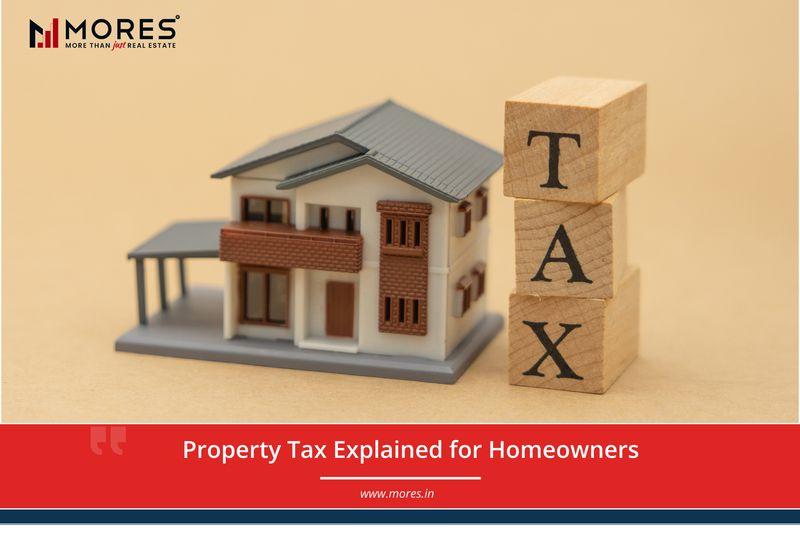
Property taxes are among the vital aspects of homeownership, but most of the buyers are not familiar with its mechanism. Whether it is the implication of property tax or its impact on the amount paid every year. This is precisely where the need to understand these taxes prove to be beneficial in the management of budget effectively. In fact, by getting familiar with the property taxes, it is viable to navigate opportunities to save money.
In its real connotation, the value of home and the tax slab consideration set by the local government altogether contribute the calculation of property taxes. In order to evaluate the amount to be paid, the county or municipal assessor focuses on the market value, size, enhancements and comparative sales applicable on the property. On an average, the taxation charges vary on the basis of location, make funding of the essential community services including emergency services, local government operations, schools and infrastructure.
Basics of property taxes – What you should know?
It is advisable for homeowners to review annual property tax statement initially. In case, you observe that the taxation amount is more than estimated, then, an appeal option must be used. As a part of this provision of property tax, you can raise a request to lower the amount to be paid. Interestingly, tax exemptions applicable in many locations act as beneficial source in reduction of the actual tax rate. For instance, tax-payers including the senior citizen, veteran or people with primary residences can avail benefits of property tax exemptions. Hence, it is highly recommended to check the scope of merits before paying the tax.
The whole idea of exploring all the aspects of property taxes is to boost confidence of homeowners to plan finances wisely. Additionally, based on all the taxation-related details, it becomes easier to make an informed decision. It also implies by uncovering the criteria of taxation, available options to reduce property tax can be determined. Let’s uncover the detailed overview of property taxes to make smarter decision while uncovering prospects of long-term investment.
What are property taxes?
Property tax is an essential resource that influences revenue for local governing bodies such as municipalities, panchayats, and municipal corporations. It is an annual tax that homeowners need to pay depending on the estimated tax rate of their land and buildings. This tax not just indicates property’s economic value, but also turns out to be a primary financial pillar that fuels the urban and rural growth. The local authorities make sure that uninterrupted functioning and enhancement of essential civic services influencing homeowners’ quality of life through regular property tax collection.
The objective of property tax remains the same irrespective of the factors applicable in the taxation process. Whether it is the type of construction, property size, location or current market value of the property, the whole idea is to generate funds to address infrastructure and public welfare goals. Community. Undoubtedly, the property owners play a vital role in the maintenance, upgrade and overall development of the community by paying taxes regularly.
Primary Uses of Property Tax Revenue
Property tax collections are aimed at enhancing various public services and amenities along with their maintenance. The allocation of revenue generated focuses on several developmental and maintenance activities, to offer citizens a clean, safe, and well-planned environment. Some of the major segments for which property tax funds are utilized include:
- Road construction and Maintenance
The development and maintenance of new roads is planned and executed with the funds collected from property tax. As a result, the seamless connectivity gets boosted through well-constructed and properly maintained roads while reducing travel time, thereby, supporting economic activities within the region.
- Sewage and Drainage Systems
The grave issues like flooding or waterlogging are prevented through efficient sewage and drainage systems necessary for retaining hygiene within the region. It is with the optimal allocation of property tax that contributes to timely building and maintenance of these networks that assure healthier and better lifestyle.
- Street Lighting
With an initiative to combat or reduce accident and crime rate, the society requires adequate street lighting while promoting the public safety. Thus, the property taxes paid by the homeowners are used by the local authorities to install, operate, and manage streetlights of the residential and commercial areas.
- Parks and Recreational Facilities
To ensure the physical and mental well-being of homeowners, green spaces and recreational amenities are regularly maintained and diversified. This goal gets accomplished through the optimal utilization of property taxes towards the development & maintenance of parks, recreational, and other leisure spaces.
- Public Health and Sanitation
Urban management is attained through regular cleanliness and hygiene operations aligned with the public welfare objectives. Hence, with the help of funds generated through property tax, public health initiatives, sanitation drives, waste collection, cleanliness infrastructure and the maintenance of public toilets are executed by the local government.
- Education and Social Services
A significant amount of property tax is utilized for the betterment of public educational institutions, thereby, focusing on the social welfare programs, ensuring development in the various sections of society.
From the above information, it is apparent that property tax is highly significant in re-shaping the infrastructure and public services of the area. The homeowners participate actively in the community’s growth and the improvement of advanced amenities by paying property taxes. After knowing the use and implication of property taxes, it becomes easier to uncover the allocation of funds by the local government to ensure uninterrupted rural and urban development. Furthermore the detailed information ensures timely payment, ultimately leading to the growth of a more sustainable & well-managed urban environment.
How Is Property Tax Calculated in India
Property tax is the amount levied by municipal authorities in India on all residential, commercial, and industrial properties. While the fundamental rationale underlying property tax remains the same everywhere—namely, financing civic amenities including roads, sanitation, water supply, and public infrastructure—the method of calculation varies considerably from state to state and even from municipality to municipality. Broadly speaking, three systems are commonly in use, with each based on different valuation parameters to arrive at the tax payable.
Types of Property Tax Calculation
In large metropolitan cities, one of the most widely adopted methods is the Capital Value System. Under this system, the tax is computed as a percentage of the property’s market value. This market value is estimated not by private evaluators but determined by government guidelines based on location, property type, and prevailing market rates. Since the market values change over time, under the CVS, the tax amount may also change, often resulting in higher tax liabilities in rapidly developing areas.
Another common method is the Annual Rental Value System. Under this, the amount of tax levied is determined in accordance with the rental income which the property is likely to generate, assuming it is being let out. The municipal institutions evaluate the prospective annual rent, taking into consideration factors such as the locality, state of the property, and demand in the locality for rentals. The tax is then levied as a certain percentage on that assessment of rental value. Even if the owner does not let out the property, the ARV becomes the basis for assessment of tax.
Closely related to it is the Rateable Value System, which also determines tax liability based on potential rental income. Under RVS, the municipality assesses the rent the property could reasonably fetch and, after deducting expenses on account of repairs or maintenance, calculates the tax on the residue. Similar in nature to the ARV system, differences would lie in the particular deductions and valuation practices followed by various municipal bodies.
Methods of Payment of Property Tax
Municipalities provide a number of easy payment options to ensure timely collection in India. A number of urban local bodies nowadays have an online portal whereby property owners can check dues, download receipts, and make payments digitally. Such portals reduce the inconvenience caused by visiting the municipal offices and thus simplify the process.
Another common method involves bank challans, which can be submitted at designated banks. Some authorities also operate kiosk centers where payments can be made in person. Property tax is payable either annually or semi-annually depending on the city, and as such, owners must keep tabs on any deadlines.
Mores - Trusted Real Estate Company to count on
A team of trusted real estate professionals at Mores is known for their expertise in in assisting property owners uncover tax obligations. With the comprehensive knowledge related to local property tax regulations and tax assessment methods, real estate professionals can advise owners during the tax payment process, assist in evaluating tax liability, and help in exploring the online payment systems. Mores also stay updated on any revisions in tax laws or rates, ensuring that property owners remain compliant and well-informed.
Conclusion
It is crucial for every property owner in India to understand how property tax works. Besides, the information related to the valuation methods, payment options, and key factors influencing the tax rates help homeowners to manage their tax responsibilities smartly. Lastly, connecting with a trusted real estate company can further simplify the process while ensuring smooth, and effortless property ownership.
Recent Blogs
Get Expert Property Advice



Assistant


