

Mandatory Aadhaar verification for Property Registration in Maharashtra
Nov 5, 2026
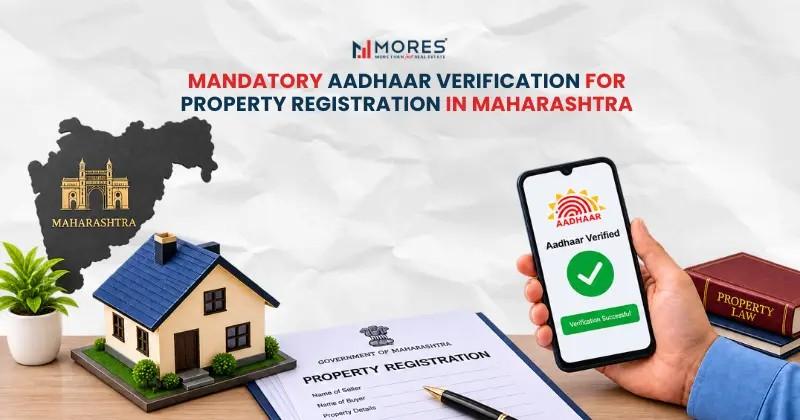
The Maharashtra Government has now officially implemented a stringent tech-based mandate that makes Aadhaar app-based verification mandatory for property registration in the state. The objective of this new mandate is to reduce any fraud in the transaction process, eliminate any fake identities, and close all the loopholes pertaining to false parties or witnesses. The new mandate changes the way citizens deal with the Sub-Registrar Offices (SROs).
The execution of this protocol is based on the state's efforts to create digital transparency in transactions involving immovable property. Although identification through Aadhaar has been tried earlier in a broad range of documents, the current procedural improvement has brought the process of app-based authentication. As reported by the officials at the Inspector General of Registration and Stamps (IGR), including Deputy IGR (IT) Abhay Mohite, there is no need anymore to take into account external “identifiers” or witnesses for people whose biometric authentication does not pass. In the future, all participants in a transaction must pass the digital authentication protocol.
The stringent verification process is coming into effect at a time of strong market growth, and MahaRERA has recently sanctioned 435 residential projects valued at ₹23,719 crore in the state to cater to rising buyer demand. With thousands of units coming into the market pipeline, the registration of the new assets should be in sync with foolproof digital verification.
For more information In detail, you can click on: - MahaRERA
In order to avoid any bottlenecks or issues during the process of registration, it is highly recommended that people should first download the Aadhaar app and install it on their phone before setting up an appointment. Technically speaking, the application can only run on certain software systems, which are Android 9.0 or iOS 16 and above. Moreover, one needs to have an active internet connection to access the application. In addition, there is a need to verify the SIM card, authenticate one’s face, and set a six-digit PIN.
The state IT administration has stressed that the presence of the Aadhaar card holder, along with his/her mobile number, is essential for the OVSE authentication process. The officials of the SROs have been asked to clearly explain the process of sharing credentials and to obtain consent from the user prior to sharing the information. Also, buyers, sellers, and heirs of the property who have locked their biometric credentials for their safety must unlock them via the application before visiting the registration desk. Video tutorials have also been launched on official social media accounts for guidance.
The real estate professionals and legal advisors have praised this decision since this kind of mandatory app-based verification process is going to strengthen security during transactions of valuable assets. It was quite common in previous years that such property scams were based on impersonation through loopholes in the manual system. With each registration process linked to live cryptography and biometric verification through apps, the government plans to close such loopholes. On the other hand, it has been clarified that there will be other means available to individuals who cannot use the app at all.
For prospective homebuyers, investors, and developers across Maharashtra, the message from the Stamps and Registration Department is clear: preparation is key. Stakeholders are urged to check the operational readiness of their smartphones, ensure mobile numbers are actively linked to their unique identification profiles, and complete app configurations well ahead of their SRO visit. By streamlining these checks into a unified digital workflow, Maharashtra is setting a benchmark for secure, transparent, and technology-enabled governance in India's real estate sector.
Also Read: Haryana Land Pooling Policy 2026 Approved


Assistant


