
Mumbai Redevelopment Projects 2026 Gain Momentum as Old Building Renewal Market Expands
Jun 9, 2026
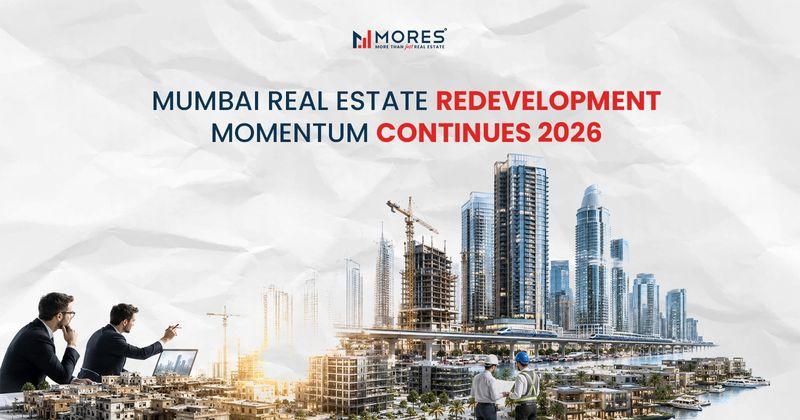
Knight Frank India data shows that 1,094 development agreements (DAs) were signed between January 2020 and March 15, 2026, which has led to a huge surge in redevelopment projects in Mumbai 2026. Mumbai redevelopment projects 2026 are expected to take a significant shape in the urban landscape. The redevelopment market increased by 16% year-on-year (YoY) in 2025, and is expected to see significant growth in 2026, according to recent figures from Knight Frank India.
These new numbers underpin the escalating significance of Mumbai redevelopment projects in 2026 and their crucial role in shaping the urban landscape of the city. In 2025, 229 old building development agreements were signed, which is 33 more than the number of agreements signed in 2024 (196). It has grown even more in 2026, with almost 70 redevelopment agreements signed in the first 74 days of the year.
Western Suburbs Lead Redevelopment Activity
The redevelopment market in Mumbai is expected to increase in 2026 due to changing trends in the real estate market. In Mumbai, redevelopment has proven to be one of the most effective ways to achieve value realization and provide extra housing supply. During the period from January 2020 to March 2026, over 1,094 development agreements were struck that opened up the development of around 432 acres of land in the city.
Most redevelopment deals are still in the western suburbs, with Mumbai redevelopment projects 2026 dominating the market. The old building redevelopment Mumbai projects have made established residential localities such as Borivali, Andheri, Bandra, Malad, and Ghatkopar markets for developers seeking business opportunities in the existing residential localities.
As a result of the growth of redevelopment projects in Mumbai 2026, almost 59,000 housing units are expected to be created, of which a significant percentage will be found in the western suburbs. According to industry analysts, these residential redevelopment projects are responsible for helping meet housing demand while contributing to the wider urban redevelopment projects throughout the city.
The changing landscape is also impacting the Mumbai real estate market, especially the preference for premium housing in Mumbai. A redeveloped property may have more space, improved amenities, and better infrastructure, therefore appealing to home buyers and investors. It has stimulated the development of several luxury redevelopment schemes in high-profile sites.
While Mumbai redevelopment projects 2026 are picking up momentum, it is projected that they will influence the future trend of the Mumbai real estate market and bolster the investment potential in Mumbai real estate. The positive impact of these efforts might pave the way for more rapid Mumbai property redevelopment and could be a template for real estate redevelopment in India, especially in urbanised areas where land is scarce. As redevelopment becomes a key growth driver, the Mumbai real estate market will continue to expand and will continue to be one of the most dynamic residential real estate markets in India.


Assistant


